
The Roots of Reggae
From the streets of Kingston to every corner of the globe — the story of where reggae came from, who built it, and who is still carrying the flame.
Where Did Reggae Come From?
Reggae was born in Jamaica in the late 1960s, growing out of earlier Jamaican musical styles — mento, ska, and rocksteady — and deeply influenced by American soul, R&B, and jazz heard on radio stations broadcasting from New Orleans and Miami. But reggae was more than just a new rhythm. It was a cultural and spiritual movement rooted in the Rastafari faith, Pan-African consciousness, and the lived experience of Jamaica's working-class communities.
The word "reggae" itself is widely credited to Frederick "Toots" Hibbert of Toots & The Maytals, who used it in their 1968 song "Do the Reggay." The sound was defined by its distinctive offbeat guitar skank, heavy bass lines, and a slower, more deliberate tempo than its predecessor rocksteady. Producers like Coxsone Dodd at Studio One and Joe Gibbs helped shape the early sound, while artists like The Wailers, Jimmy Cliff, and Burning Spear gave it its voice and soul.
Reggae's message was inseparable from its music. Rastafari teachings — drawn from the Bible, Marcus Garvey's Pan-Africanism, and the veneration of Ethiopian Emperor Haile Selassie I — gave reggae its spiritual depth and its politics of resistance. Songs spoke of Babylon (the oppressive system), Zion (the promised land of freedom), and the struggle of the African diaspora. When Bob Marley took that message to the world stage in the 1970s, reggae became one of the most powerful musical and cultural forces of the 20th century.
Through the Lens
Scenes from reggae's rich history — the streets, the studios, the stages, and the souls that shaped the sound.

Roots of the Movement

Kingston Streets

Live on Stage

Rastafari Spirit

Studio & Sound

Festival Vibes
A Timeline of Reggae
Mento & Ska
Jamaican folk music (mento) blends with American R&B and jazz to create ska — the direct ancestor of reggae. Artists like Lord Flea and the Skatalites define the era.
Rocksteady Emerges
Ska slows down into rocksteady — a smoother, more soulful sound with heavy bass lines. Alton Ellis and Phyllis Dillon are among its key voices.
Reggae is Born
The term "reggae" appears in Toots & The Maytals' "Do the Reggay." The rhythm slows further, the bass deepens, and a new genre is officially named.
The Harder They Come
Jimmy Cliff stars in this landmark film. Its soundtrack introduces reggae to international audiences and sparks global interest in Jamaican music.
Bob Marley Goes Global
Island Records releases "Catch a Fire" and "Burnin'" — the first reggae albums marketed to a mainstream rock audience. Reggae becomes a world music.
Dub & Roots Peak
Lee "Scratch" Perry, King Tubby, and Augustus Pablo push dub music to its creative peak. Burning Spear's "Marcus Garvey" defines roots reggae consciousness.
Dancehall Takes Over
Digital production and the rise of the sound system culture transforms Jamaican music. Yellowman, Shabba Ranks, and later Buju Banton and Bounty Killer dominate.
Dancehall Goes Global
Chaka Demus & Pliers' "Murder She Wrote" tops UK charts. Reggae and dancehall reach new mainstream heights across Europe and North America.
The Reggae Revival
A new generation — Chronixx, Protoje, Kabaka Pyramid, Jesse Royal — returns to roots reggae with modern production, sparking a global revival movement.
Reggae Today
Koffee wins the Grammy at 19. Vybz Kartel releases music from prison to billions of streams. Reggae and dancehall influence pop, hip-hop, and Afrobeats worldwide.
The Pioneers
The artists who built reggae from the ground up.
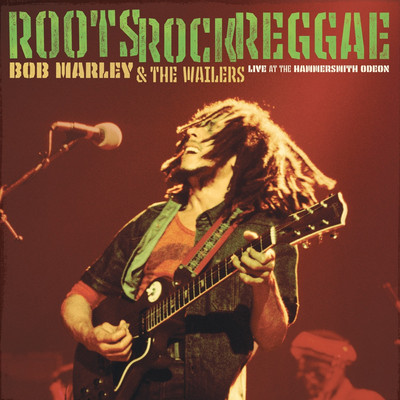
Bob Marley
1945 – 1981Robert Nesta Marley brought reggae to every corner of the world. His albums "Exodus" and "Legend" remain among the best-selling records in history. He turned reggae into a universal language of resistance, love, and spiritual liberation.
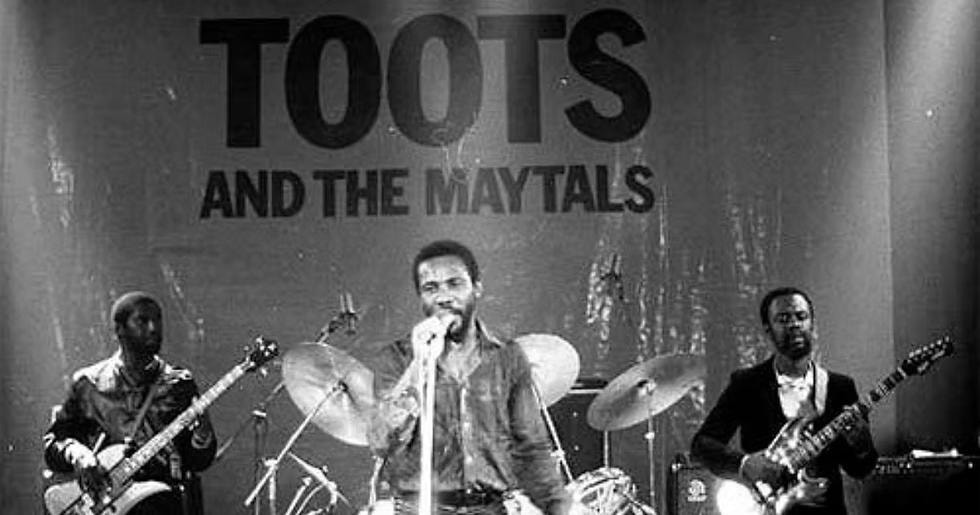
Toots & The Maytals
1962 – 2020Frederick "Toots" Hibbert is widely credited with coining the word "reggae" in the 1968 song "Do the Reggay." His raw, gospel-drenched voice and the Maytals' infectious rhythms were foundational to the genre's identity.
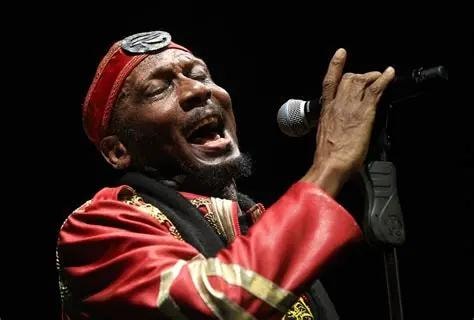
Jimmy Cliff
1948 – presentJimmy Cliff was the first reggae artist to achieve international recognition, starring in the landmark 1972 film "The Harder They Come." His soundtrack introduced reggae to audiences in Europe and North America years before Bob Marley became a household name.
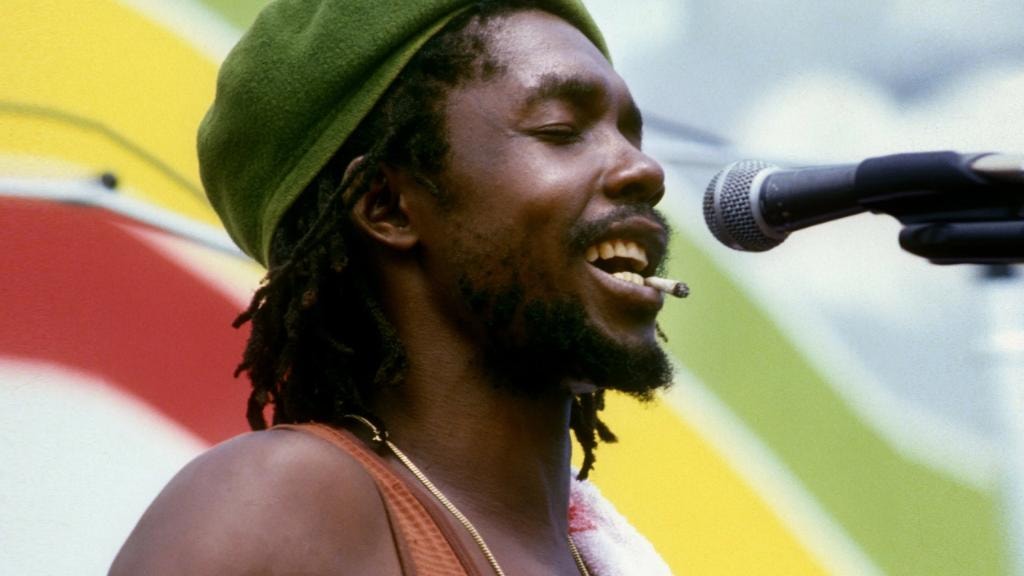
Peter Tosh
1944 – 1987A founding member of The Wailers alongside Bob Marley and Bunny Wailer, Peter Tosh was reggae's most uncompromising voice. His solo albums "Legalize It" (1976) and "Equal Rights" (1977) are cornerstones of roots reggae.
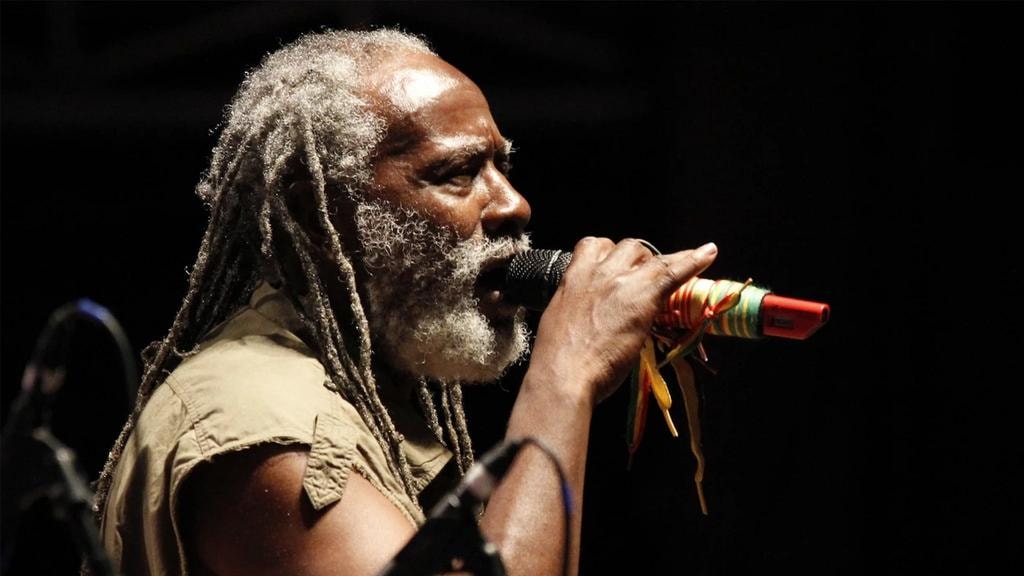
Burning Spear
1945 – presentWinston Rodney, known as Burning Spear, is one of the purest expressions of Rastafari consciousness in music. His 1975 album "Marcus Garvey" is considered one of the greatest reggae records ever made, a deep meditation on African identity and liberation.
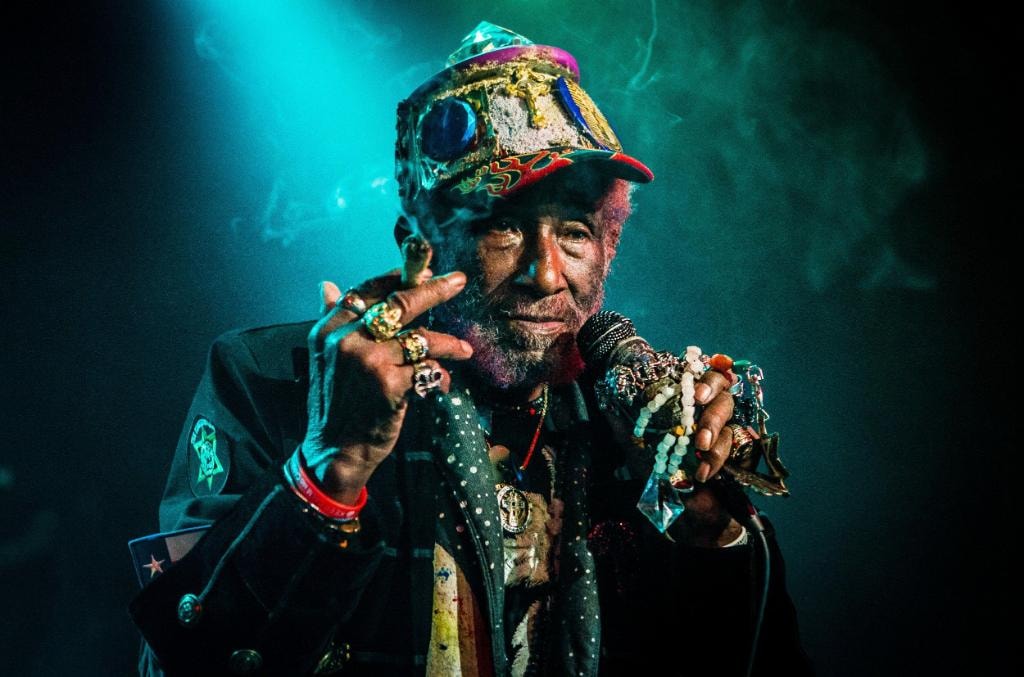
Lee "Scratch" Perry
1936 – 2021Lee Perry revolutionized reggae production at his Black Ark studio in Kingston. He invented dub music — stripping tracks to their rhythmic skeleton and rebuilding them with echo and reverb — and produced some of Bob Marley's most important early recordings.
Still Influencing Today
The artists carrying reggae forward into the 21st century.
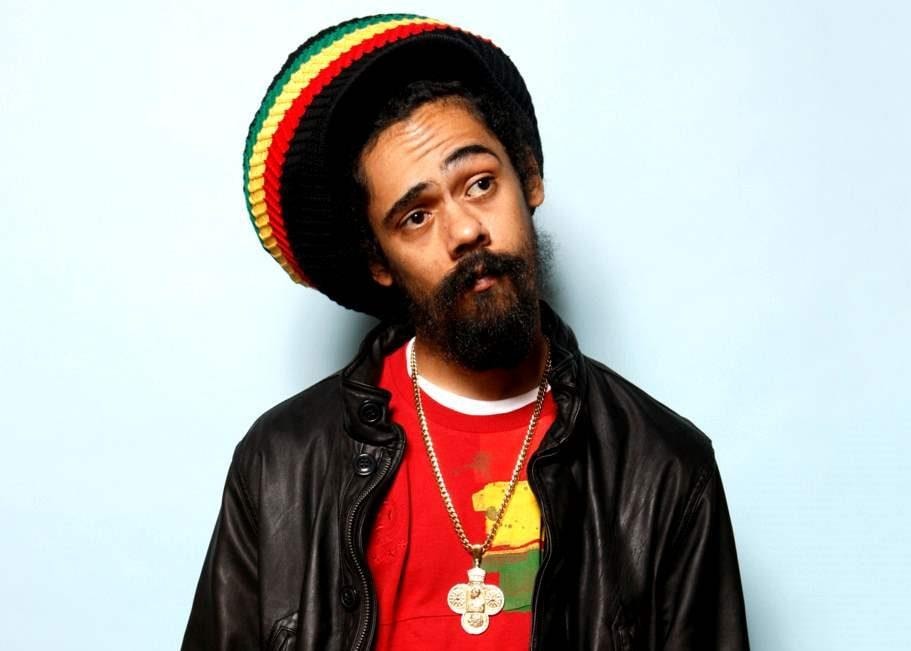
Damian "Jr. Gong" Marley
Bob Marley's youngest son has become one of the most innovative artists in reggae, blending his father's roots tradition with hip-hop production. His 2005 album "Welcome to Jamrock" and his collaboration with Nas on "Distant Relatives" (2010) brought reggae to a new generation.
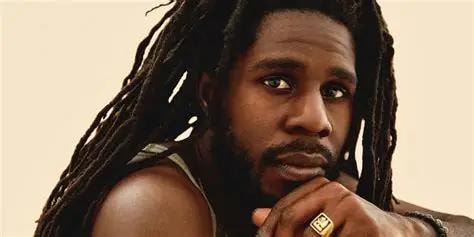
Chronixx
Jamar Rolando McNaughton, known as Chronixx, is the face of the reggae revival movement. His 2017 debut album "Chronology" debuted at number one on the Billboard Reggae chart and introduced a new generation of fans to conscious roots reggae.
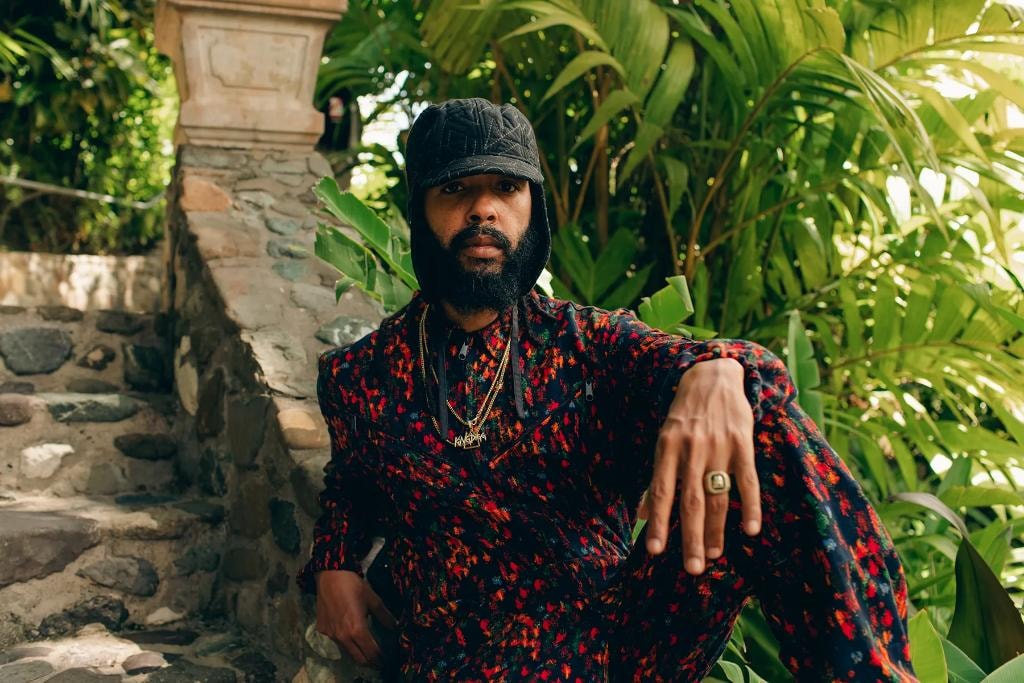
Protoje
Oje Ken Ollivierre, known as Protoje, is a leading figure in Jamaica's reggae revival. His blend of roots reggae with modern production and hip-hop influences has earned him critical acclaim and a Grammy nomination.
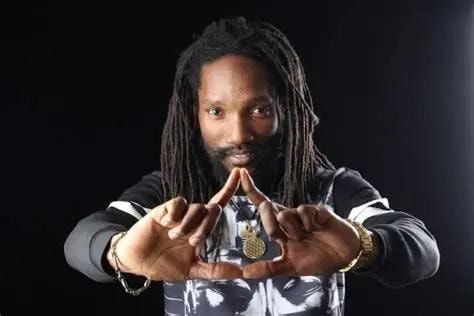
Kabaka Pyramid
Signed to Damian Marley's Ghetto Youths International label, Kabaka Pyramid carries the torch of conscious reggae with lyrical depth and modern production. His debut album "Kontraband" debuted at number one on the Billboard Reggae chart.
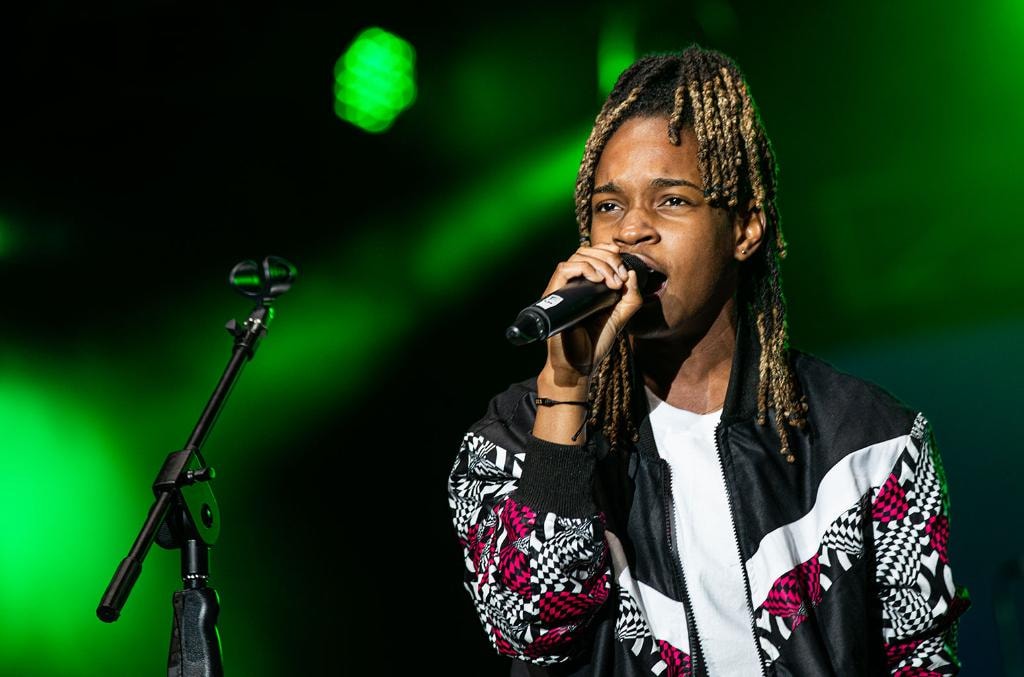
Koffee
Mikayla Simpson, known as Koffee, became the youngest and first female solo artist to win the Grammy Award for Best Reggae Album in 2020. Her fresh, youthful energy and sharp lyricism represent the future of the genre.
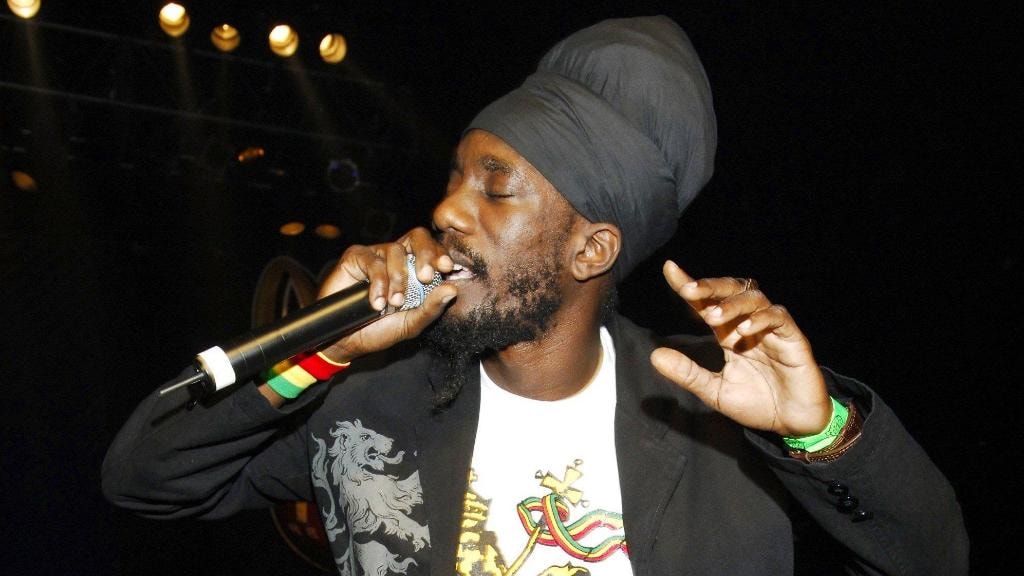
Sizzla
Miguel Orlando Collins, known as Sizzla, is one of the most prolific artists in reggae history with over 60 albums. His fiery Rastafari consciousness and rapid-fire delivery have made him a towering figure in roots reggae for three decades.